Hormone Therapy for Cancer Patients: Mechanisms, Indications, and Clinical Practice

Uncategorized
Wishlist Share
Share Course
Page Link
Share On Social Media

About Course

This course provides a comprehensive, evidence-based overview of hormone therapy in oncology, with emphasis on clinical indications, molecular mechanisms, therapeutic combinations, and patient management. Designed for practicing oncologists, radiation oncologists, and residents, it explores when to initiate or discontinue treatment, how to tailor therapy by cancer type and biological markers, and how to mitigate adverse reactions.
Interactive quizzes consolidate learning and prepare participants for clinical decision-making in multidisciplinary settings.

Level: Intermediate
Language: English
Duration: ~6–8 hours
Assessment: Multiple quizzes + final evaluation

Show More

What Will You Learn?

  • By course completion, participants will:
  • Prescribe, monitor, and sequence hormone therapy safely and effectively.
  • Integrate endocrine treatment into multimodal cancer care.
  • Apply toxicity-prevention and quality-of-life strategies in daily practice.
  • Stay informed about upcoming agents and translational advances.

Course Content

Module 1 — Principles of Hormone Therapy in Oncology
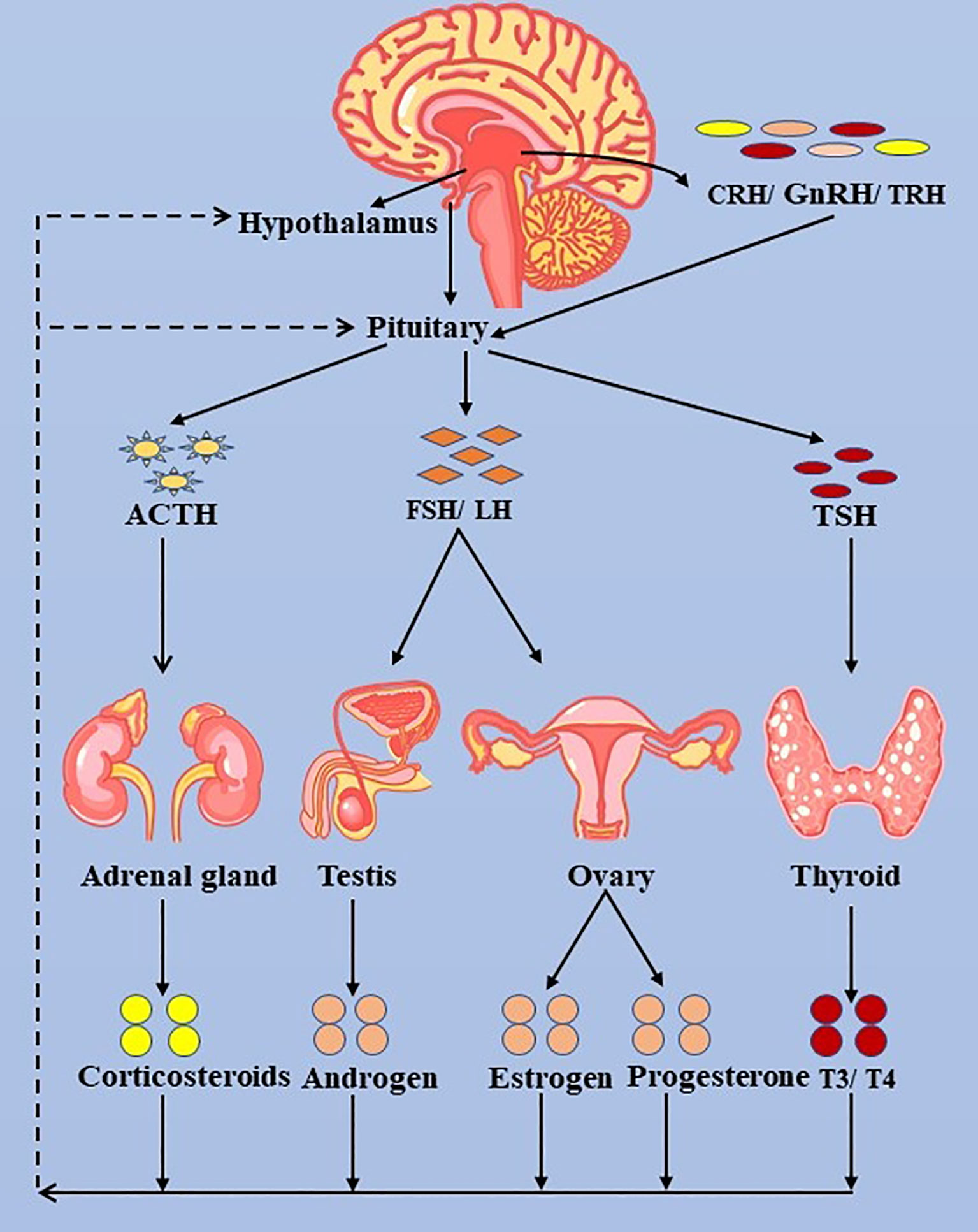
Mechanism and Dosing Overview Aromatase Inhibitors (AIs): block the enzyme aromatase (CYP19A1), which converts androgens to estrogens in adipose and peripheral tissues. Examples: Anastrozole 1 mg orally daily, Letrozole 2.5 mg orally daily, Exemestane 25 mg orally daily. These are the preferred agents in postmenopausal women with estrogen receptor–positive breast cancer. Selective Estrogen Receptor Modulators (SERMs): such as Tamoxifen 20 mg orally daily — bind the estrogen receptor and act as antagonists in breast tissue but partial agonists in bone and endometrium. Selective Estrogen Receptor Degraders (SERDs): such as Fulvestrant 500 mg intramuscularly on days 0, 14, 28, then every 28 days thereafter — promote estrogen receptor degradation. CYP17 Inhibitors: Abiraterone acetate 1000 mg orally daily on an empty stomach plus Prednisone 5 mg orally twice daily — block the CYP17A1 enzyme, suppressing androgen synthesis in adrenal glands and tumors. Gonadotropin-Releasing Hormone (GnRH) Agonists and Antagonists: Leuprolide 7.5 mg subcutaneously every 4 weeks or depot every 3–6 months; Degarelix 240 mg subcutaneously loading dose, then 80 mg every 4 weeks; Relugolix 120 mg orally daily — suppress testosterone or estrogen production by downregulating or directly blocking pituitary gonadotropin release.